The waste management industry is on the rise, with an estimated global value of $484 billion by 2025. Sustainability trends and heightened environmental awareness are driving this growth, making dumpster rental services an essential component of modern waste management. Catering to construction, renovation, and commercial cleanouts, dumpster rental businesses are uniquely positioned for profitability and impact. Here’s how to start a dumpster rental business and thrive in this booming sector.
Why Start a Dumpster Rental Business?
1. Recession-Proof Industry
The waste management industry is an evergreen sector, valued at an estimated $484 billion globally by 2025. Dumpster rental businesses play a crucial role in this growth, driven by consistent demand across multiple sectors, regardless of economic conditions.
2. Growing Market Drivers
- Construction and Renovation Boom: Increasing infrastructure projects and home improvement trends.
- Stricter Waste Regulations: Businesses and homeowners are looking for compliant waste disposal solutions.
- Event Cleanups: Concerts, fairs, and festivals create high demand for temporary waste management.
3. High Profit Potential
With annual profits ranging between $150,000 and $200,000, a dumpster rental business offers an attractive return on investment. The upfront costs—covering equipment, permits, and marketing—are relatively low compared to the earning potential.
Key Industry Insights for 2023–2025
- Identifying Target Customers
Your potential customers can be divided into distinct categories:
- Residential Clients: Homeowners tackling DIY projects or decluttering.
- Contractors and Builders: These professionals need reliable waste disposal for construction debris.
- Commercial Entities: Businesses managing large-scale cleanouts or ongoing trash removal.
- Event Organizers: Temporary waste solutions for festivals, concerts, and fairs.
- Analyzing Local Demand
- Use Online Tools: Google Trends and keyword research tools can help identify demand in your region.
- Visit Competitors: Understand their offerings, pricing, and service gaps to position your business competitively.
- Niche Opportunities
- Explore underserved niches such as eco-friendly dumpster services or specialized dumpsters for hazardous materials.
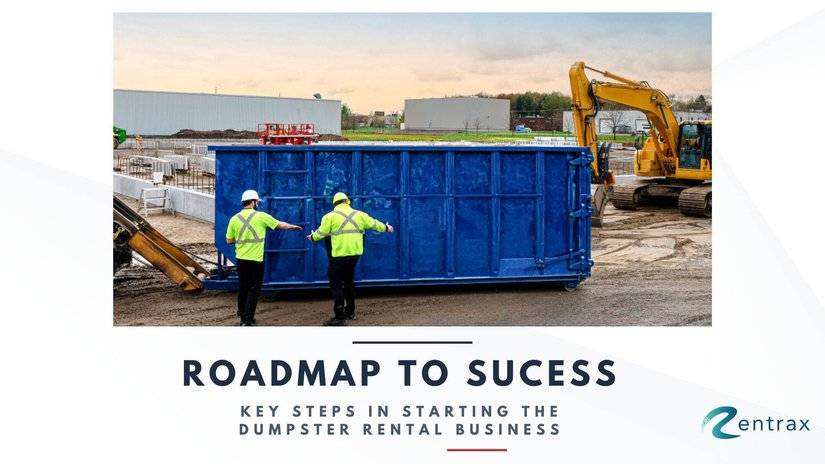
Entrepreneurial Roadmap
Step 1: Market Research
Identify underserved niches such as eco-friendly services or event-specific rentals. Target both residential (B2C) and commercial (B2B) markets with the help of booking-friendly websites and a strong online presence.
Step 2: Build a Solid Business Plan
A detailed business plan is essential for laying a strong foundation. Include:
- Executive Summary: Your mission and business objectives.
- Market Analysis: Insights into demand, customer segments, and competition.
- Operational Plan: Logistics, delivery schedules, and inventory management.
- Financial Projections: Start-up costs, pricing strategies, and revenue forecasts.
Step 3: Secure Funding
Typical start-up costs range from $10,000 to $50,000. Explore funding options such as:
- Personal savings or family investments.
- Small business loans or grants.
- Partnering with investors.
Step 4: Licenses and Insurance
- Permits and Licenses: Obtain the necessary local and state permits.
- Business Registration: Choose a legal structure (LLC, corporation, etc.) for liability protection.
- Insurance: Secure general liability and workers’ compensation insurance.
Step 5: Choose the Right Dumpster Types
Invest in dumpsters of varying sizes to cater to diverse needs:
- 10-Yard Dumpsters: Ideal for small residential projects.
- 20-Yard Dumpsters: Suitable for medium-sized renovations.
- 40-Yard Dumpsters: Best for large construction sites. You’ll also need reliable trucks for delivery and pickup.

Pricing Strategies
- Market-Driven Pricing
Conduct thorough market research to determine competitive rates. Pricing should cover:
- Operational Costs: Fuel, maintenance, and labor.
- Value-Added Services: Same-day delivery, eco-friendly options, or longer rental periods.
- Flexible Payment Options
Offer tiered pricing or discounts for:
- Repeat customers
- Bulk rentals
- Long-term contracts
Marketing Strategies for Your Dumpster Rental Business
1. Develop a Strong Brand Identity
- Professional Branding: Choose a memorable name, design a professional logo, and create consistent brand messaging.
- Unique Selling Points (USPs): Highlight what sets you apart, such as eco-friendly services or same-day delivery.
2. Building a Robust Online Presence
- Website: Design a user-friendly website with clear calls to action like “Book Now” or “Request a Quote.” Include online booking capabilities.
- Search Engine Optimization (SEO): Use targeted keywords such as “dumpster rental near me” or “affordable dumpster rental” to improve visibility.
- Google My Business: Set up a profile to appear in local search results and Google Maps.
3. Engage on Social Media
- Post educational content on waste management, before-and-after project photos, and customer testimonials.
- Run targeted Facebook and Instagram ads to reach local customers.
4. Partnering with Local Businesses
- Collaborate with contractors, real estate agents, and event planners. Offer referral programs or exclusive discounts to build long-term relationships.
5. Offline Marketing
Don’t overlook traditional methods:
- Use branded trucks and dumpsters as mobile advertisements.
- Distribute flyers in hardware stores, real estate offices, and community centers.
- Sponsor local events to increase visibility.
Managing and Scaling Your Business
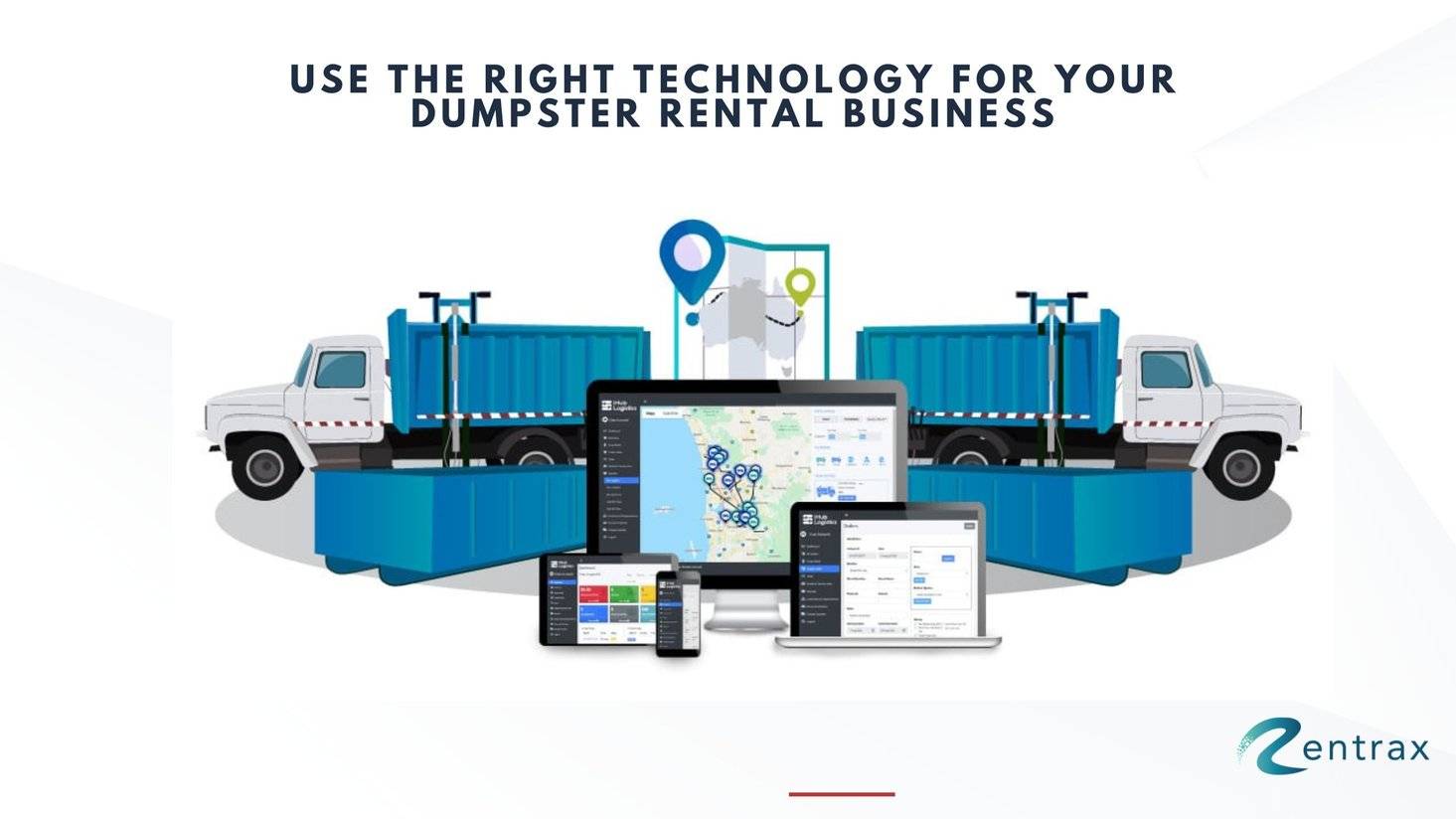
1. Leveraging Technology
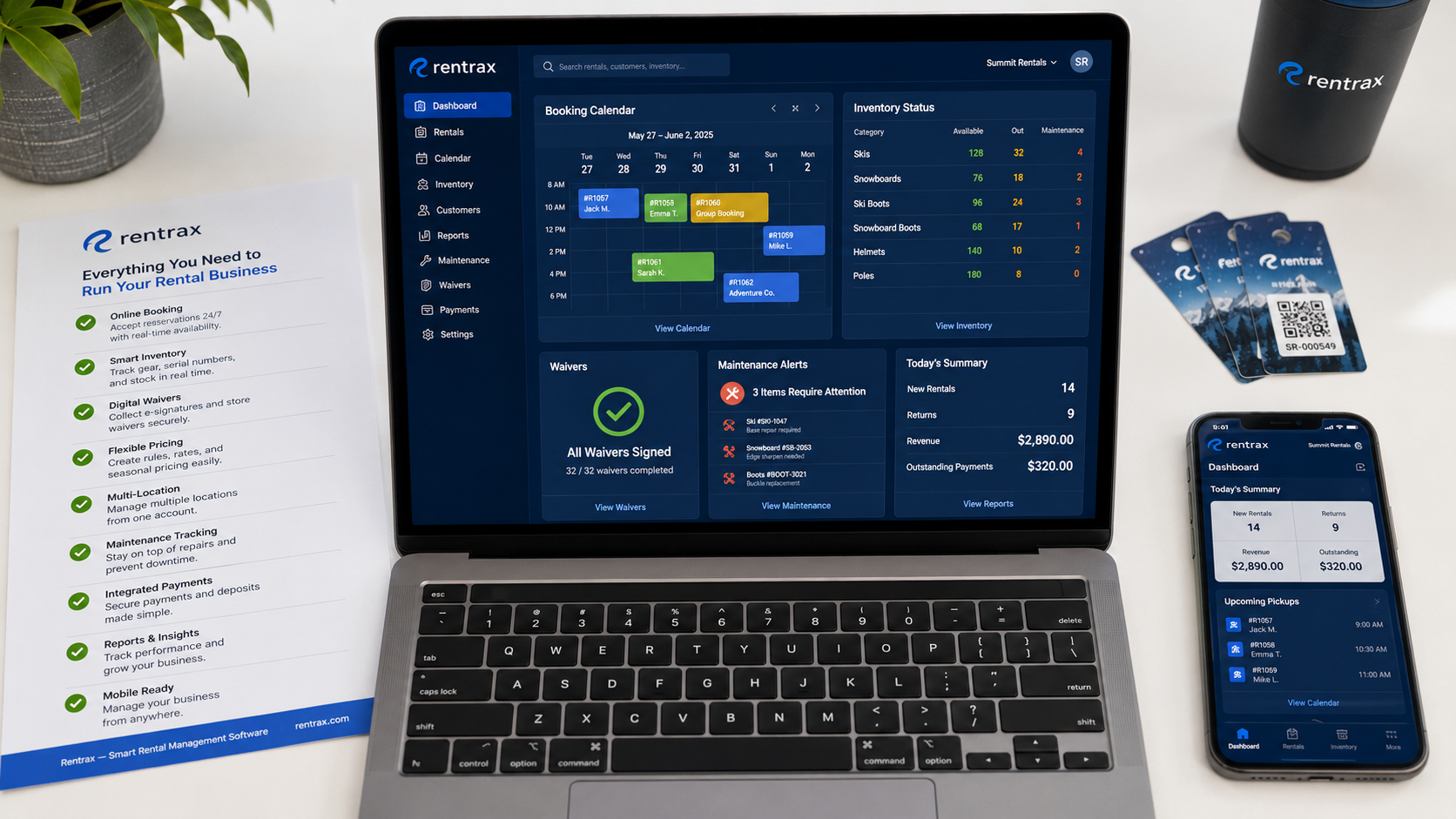
Invest in management software for:
- Inventory Tracking: Monitor dumpster availability and locations.
- Automated Invoicing: Simplify payment processing.
- Customer Engagement: Send reminders and collect feedback.
2.Training and Hiring
Hire reliable drivers and customer service staff. Provide training to ensure timely deliveries and professional communication.
3.Expanding Your Offerings
- Recycling Options: Attract eco-conscious customers by offering recycling-specific dumpsters.
- Portable Restrooms: Diversify revenue streams by adding complementary services.
- Hazardous Waste Solutions: Cater to industrial clients requiring specialized disposal.
Addressing Challenges in the Dumpster Rental Business
Operational Efficiency
- Optimize delivery routes using GPS technology to reduce fuel costs.
- Regularly maintain equipment to avoid costly repairs.
Staying Competitive
- Provide outstanding customer service to build loyalty.
- Use customer feedback to improve services.
Legal Compliance
- Stay updated on changing waste management regulations.
- Renew permits and licenses on time to avoid disruptions.
Opportunities for Innovation
- Eco-Friendly Services: Differentiate your business with recycling and sustainable practices.
- Technology Integration: Use GPS tracking and automated invoicing to improve operational efficiency.
- Community Engagement: Host workshops or provide consulting on waste management to position yourself as a local expert.
Conclusion
With dedication, hard work, and a customer-centric approach, your on-site rental business will surely thrive in the competitive market. So why wait? Start implementing these strategies today and watch your business grow! The dumpster rental business offers a unique blend of profitability and environmental impact. With low barriers to entry and a growing demand for waste management solutions, entrepreneurs have immense opportunities to carve out a niche in this thriving industry. By embracing innovation, sustainability, and strategic marketing, you can unlock the full potential of this sector and contribute to a cleaner, greener future
LEARN MORE ABOUT THIS BUSINESS